

Hey there! As a supplier of Tungsten for Medical Imaging, I often get asked about international guidelines for using tungsten in this field. So, I thought I'd share some insights on this topic.
Tungsten is a pretty amazing metal. It has a high atomic number, which means it's great at absorbing X - rays. This property makes it a top - choice material in medical imaging. You can find tungsten in a bunch of different medical imaging applications, like in X - ray tubes, collimators, and shielding.
Let's start by talking about why tungsten is so popular in medical imaging. First off, its high density allows it to effectively block and absorb X - rays. This is super important for protecting patients and medical staff from unnecessary radiation exposure. For example, in X - ray rooms, tungsten shielding can be used to line the walls and doors, reducing the amount of radiation that leaks out into other areas of the hospital.
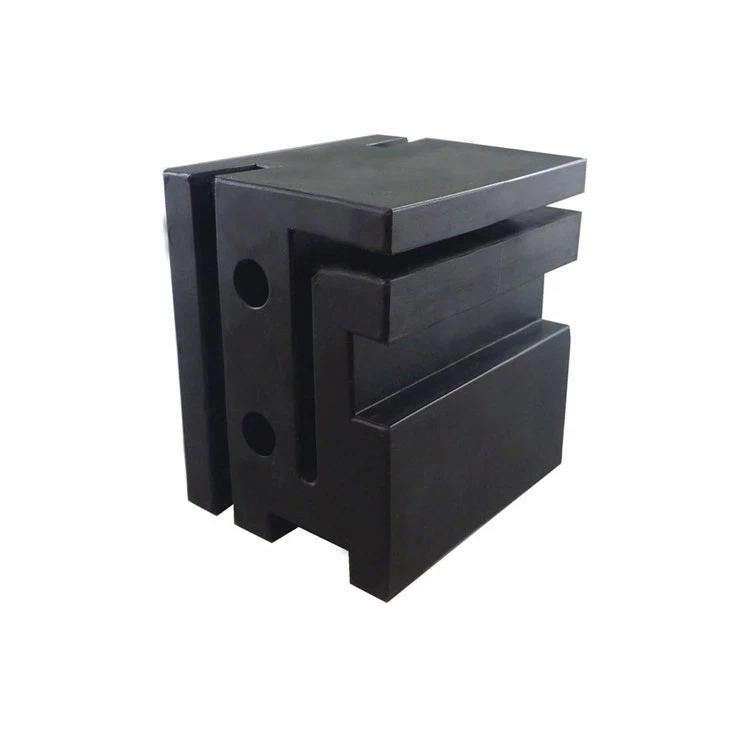

Now, are there international guidelines for using tungsten in medical imaging? The short answer is yes. The International Atomic Energy Agency (IAEA) and the World Health Organization (WHO) play a big role in setting these guidelines. These organizations are all about ensuring the safe and effective use of radiation in medicine.
The IAEA has put out a bunch of safety standards and codes of practice related to radiation protection. These standards cover everything from the design and manufacture of medical imaging equipment to the training of personnel who work with it. When it comes to tungsten, these guidelines make sure that the material is used in a way that maximizes its radiation - absorbing properties while minimizing any potential risks.
For instance, the IAEA guidelines specify the minimum thickness and quality of tungsten shielding that should be used in different medical imaging scenarios. This helps to ensure that the shielding is actually effective at reducing radiation exposure. They also have rules about how tungsten components in medical equipment should be tested and maintained to make sure they're working properly.
The WHO also has some input on this. Their focus is more on the overall health impact of medical imaging. They want to make sure that the benefits of using tungsten in medical imaging (like getting accurate diagnostic images) outweigh the potential risks (such as radiation exposure). The WHO provides recommendations on things like the appropriate use of medical imaging procedures and the optimization of radiation doses.
When it comes to the manufacturing side of things, there are also industry - specific standards. For example, the American Society for Testing and Materials (ASTM) has developed standards for tungsten alloys used in medical applications. These standards define the chemical composition, mechanical properties, and other characteristics of the tungsten materials. This ensures that the tungsten used in medical imaging is of high quality and meets the necessary performance requirements.
As a supplier of Tungsten for Medical Imaging, I have to make sure that the tungsten products I offer comply with all these international guidelines. We work closely with manufacturers to ensure that our tungsten meets the ASTM standards and is suitable for use in medical equipment.
But it's not just about following the rules. We also need to stay up - to - date with the latest research and developments in the field. New technologies are constantly emerging in medical imaging, and these may require different ways of using tungsten. For example, the development of more advanced X - ray tubes may need tungsten with different properties or in different configurations.
Let's take a look at some of the different applications of tungsten in medical imaging and how the guidelines apply.
X - ray Tubes
X - ray tubes are a key component of many medical imaging systems. Tungsten is used as the target material in these tubes. When an electron beam hits the tungsten target, X - rays are produced. The IAEA guidelines ensure that the design of the X - ray tube and the quality of the tungsten target are such that the X - rays are produced efficiently and with the right energy spectrum. This helps to get clear and accurate images while keeping the radiation dose to the patient as low as possible.
Collimators
Collimators are used to shape the X - ray beam in medical imaging. Tungsten is an ideal material for collimators because of its ability to block X - rays. The international guidelines specify the design and construction of collimators to ensure that they can accurately control the size and shape of the X - ray beam. This is important for reducing scatter radiation and improving the image quality.
Shielding
As I mentioned earlier, tungsten shielding is used to protect patients and medical staff from radiation. The guidelines for shielding are very strict. The thickness and density of the tungsten shielding must be carefully calculated based on the type of radiation source and the distance from it. For example, in a high - energy X - ray room, thicker tungsten shielding may be required compared to a lower - energy room.
If you're in the medical imaging industry and are looking for high - quality tungsten products, we've got you covered. We offer a wide range of Tungsten for Medical Imaging that meets all the international guidelines. Our products are not only compliant but also of the highest quality, ensuring the best performance in your medical imaging equipment.
We also supply Tungsten for Industrial Radiography. Industrial radiography has its own set of requirements, and our tungsten products are designed to meet those as well. And if you're involved in the nuclear energy sector, we have Tungsten for Nuclear Energy that adheres to the relevant safety standards.
If you're interested in learning more about our products or want to discuss a potential purchase, feel free to reach out. We're always happy to have a chat and help you find the right tungsten solution for your needs.
References
- International Atomic Energy Agency (IAEA). Safety Standards and Codes of Practice related to Radiation Protection.
- World Health Organization (WHO). Recommendations on the Use of Medical Imaging and Radiation Dose Optimization.
- American Society for Testing and Materials (ASTM). Standards for Tungsten Alloys Used in Medical Applications.
