

The water vapor transmission rate (WVTR) of materials is a critical parameter, especially when considering the long - term performance and durability of products. As a supplier of Tungsten Flexible Wrap Sheet, understanding the WVTR of this product is essential for its various applications, particularly in industries where protection against moisture is crucial.
Understanding Water Vapor Transmission Rate
Water vapor transmission rate refers to the quantity of water vapor that passes through a material under specific conditions of temperature and humidity over a given period. It is usually measured in units such as grams per square meter per day (g/m²/day). The WVTR of a material depends on several factors, including its chemical composition, physical structure, and thickness.
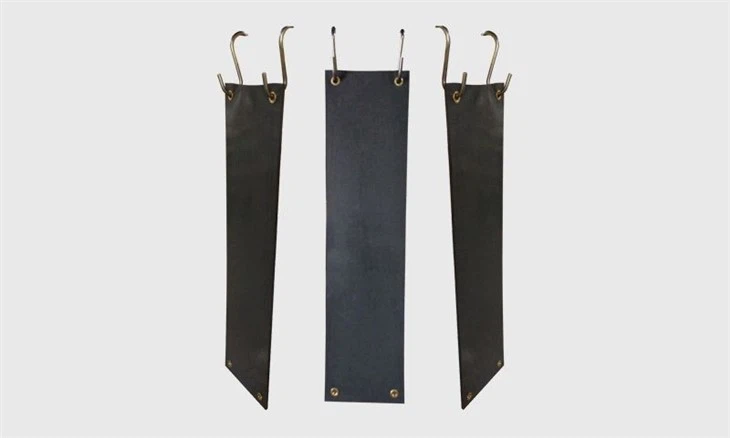
For Tungsten Flexible Wrap Sheet, the WVTR is an important characteristic because it can affect the sheet's ability to protect its contents from moisture - related damage. In applications where the wrap sheet is used for shielding purposes, such as in Tungsten Gamma Ray and Neutron Shielding, moisture can potentially corrode the underlying components or reduce the effectiveness of the shielding.
Factors Affecting the WVTR of Tungsten Flexible Wrap Sheet
Chemical Composition
Tungsten is a dense metal known for its high melting point and excellent corrosion resistance. In the Tungsten Flexible Wrap Sheet, the presence of tungsten and other alloying elements can influence the WVTR. The alloying elements can modify the molecular structure of the sheet, affecting the pathways through which water vapor can diffuse. For example, if the alloy contains elements that form a tight - knit molecular lattice, it can impede the movement of water vapor molecules, resulting in a lower WVTR.

Physical Structure
The physical structure of the Tungsten Flexible Wrap Sheet also plays a significant role in determining its WVTR. A sheet with a more compact and uniform structure will generally have a lower WVTR compared to a sheet with a porous or uneven structure. The manufacturing process of the wrap sheet can have a profound impact on its physical structure. For instance, processes that involve high - pressure rolling or extrusion can create a more dense and homogeneous sheet, reducing the spaces through which water vapor can pass.
Thickness
Thickness is another important factor. Generally, a thicker Tungsten Flexible Wrap Sheet will have a lower WVTR than a thinner one. As water vapor has to travel a longer distance through a thicker sheet, the probability of it passing through the entire sheet within a given time is reduced. However, increasing the thickness also has practical limitations, such as increased weight and cost.
Measuring the WVTR of Tungsten Flexible Wrap Sheet
There are several standard methods for measuring the WVTR of materials. One common method is the gravimetric method, which involves weighing a sample of the Tungsten Flexible Wrap Sheet before and after exposing it to a controlled environment of temperature and humidity for a specific period. The difference in weight is then used to calculate the WVTR.
Another method is the use of sensors, such as infrared sensors or capacitance sensors. These sensors can detect the amount of water vapor that has passed through the sheet in real - time. The advantage of using sensors is that they can provide continuous data, allowing for a more detailed analysis of the WVTR over time.
Importance of WVTR in Different Applications
Radiation Shielding
In Tungsten Gamma Ray and Neutron Shielding, the Tungsten Flexible Wrap Sheet is used to protect sensitive equipment and personnel from harmful radiation. Moisture can cause corrosion of the tungsten alloy, which can weaken the shielding properties of the sheet. A low WVTR ensures that the sheet remains dry and maintains its integrity over time, providing long - term protection against radiation.
Nuclear Energy
In the Tungsten Alloy in Nuclear Energy industry, the Tungsten Flexible Wrap Sheet may be used in various components of nuclear reactors or in the transportation of nuclear materials. Moisture can react with the radioactive materials or cause damage to the structural components. By having a low WVTR, the wrap sheet can prevent moisture from reaching these critical areas, enhancing the safety and reliability of the nuclear facilities.
Controlling the WVTR of Tungsten Flexible Wrap Sheet
As a supplier, we have developed several strategies to control the WVTR of our Tungsten Flexible Wrap Sheet. One approach is to optimize the alloy composition. Through extensive research and development, we have identified the ideal combination of alloying elements that can minimize the WVTR while maintaining the other desirable properties of the sheet, such as flexibility and radiation - shielding ability.
We also pay close attention to the manufacturing process. By using advanced manufacturing techniques, we can ensure that the sheet has a uniform and dense structure, which reduces the WVTR. Additionally, we offer different thickness options to our customers, allowing them to choose the sheet with the appropriate WVTR for their specific application.
Conclusion
The water vapor transmission rate of the Tungsten Flexible Wrap Sheet is a crucial parameter that affects its performance in various applications, especially in radiation shielding and nuclear energy industries. As a supplier, we understand the importance of providing a product with a low and controlled WVTR. Our commitment to research and development, along with our advanced manufacturing capabilities, allows us to offer high - quality Tungsten Flexible Wrap Sheets that meet the diverse needs of our customers.
If you are interested in learning more about our Tungsten Flexible Wrap Sheet or have specific requirements regarding its WVTR, please feel free to contact us for further discussion and potential procurement. We are eager to work with you to find the best solution for your needs.
References
- ASTM International. Standard test methods for water vapor transmission of materials.
- Textbooks on materials science and engineering, covering topics on diffusion and moisture - related properties of metals.
