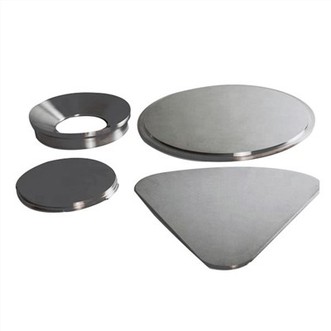
Tungsten has long been used as a material for radiation shielding due to its high density and effective absorption of gamma rays and neutrons. In fact, it is often considered one of the best materials for shielding against these types of radiation.
Gamma rays are a type of high-energy electromagnetic radiation that can penetrate many materials, including concrete and steel. They can cause damage to living tissue and equipment, and so it is necessary to shield against them in many applications. Tungsten is highly effective at shielding against gamma rays due to its high density, which makes it an ideal material for use in medical imaging and nuclear power plants, among other applications.
Neutrons are uncharged particles that can cause damage to living tissue and materials through nuclear reactions. Tungsten is also effective at shielding against neutrons due to its high atomic number, which makes it better at absorbing these particles than materials with lower atomic numbers. This makes it a valuable material for use in nuclear reactors and other applications where neutron radiation is a concern.
In addition to its effectiveness as a radiation shield, tungsten is also a non-toxic and environmentally friendly material. It is also highly durable and resistant to corrosion, making it a cost-effective solution for long-term radiation shielding needs.
Overall, tungsten is an important material for radiation shielding in a variety of applications. Its high density and effectiveness at absorbing both gamma rays and neutrons make it a valuable tool for protecting human health, the environment, and critical equipment from the harmful effects of radiation.